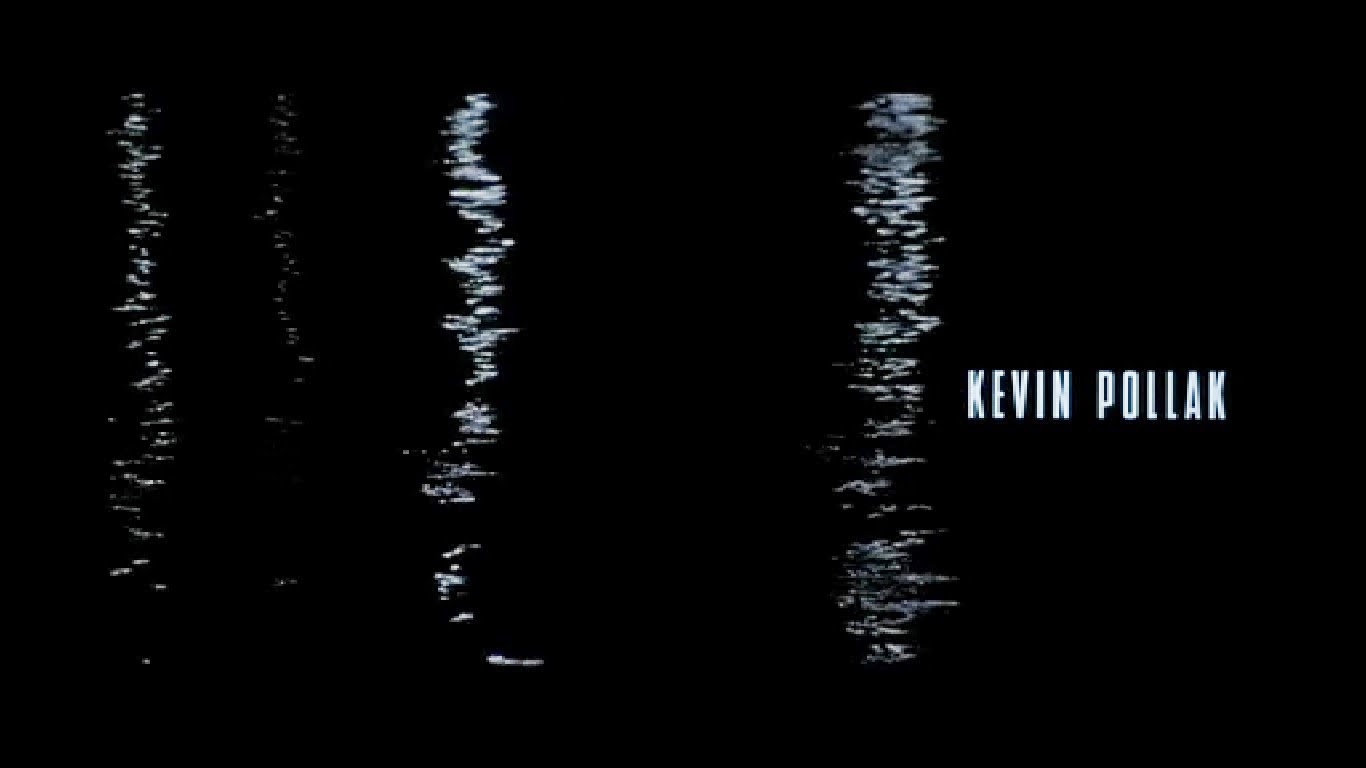
Our opening sequence uses, develops, and challenged forms and conventions of actual film openings. We initially aimed to challenge several stereotypical conventions of characters, we did conform to most conventions of our chosen genre.
We were mainly inspired by the following films:
- Casino Royale - stylistic look of the film, glamorous characters
- 21 - stylistic look of the film, plus layout of poker game and clothing.
- Taken - similar story-line, flawed male protagonist
- The Usual Suspects - style of titling in the introduction
- Rounders - lighting, style
 |
| Casino Royale's glamorous style |
 |
| Taken, "Mills" doing bad for good reasons |
 |
| Semi-circle of characters in 21 |
 |
| Opening credits in The Usual Suspects |
 |
| Rounders lighting |
Our plot is as follows:
Blake, the ex-policeman protagonist, has had his partner, Rachel, kidnapped by a criminal organisation. The film follows his journey to locate Rachel and get her back from the criminals. To achieve this, he seeks information and help from an ex-police colleague, Jen.
The film's opening centres around Blake attempting to get help from Jen at a back-alley poker game.
Form
 |
| Our opening, with credits appearing on more abstract shots. |
 |
| Usual Suspects' abstract opening credits. |
We conformed to many of the traditional conventions of film openings. We included opening credits with media institutions such as distributor and production company, as expected of a film opening sequence. Generally, following this is an introduction to setting and the main characters, however sometimes this is flipped. Seeing as our sequence could only be 2 minutes long, we decided to have the main credits on more abstract shots without characters in them, and some overlaid onto the shots of Jen and Blake talking. The Usual Suspects was a very influential example to us that exhibited most of these features. We used music to build up suspense for the shooting at the end of the sequence, for the initial music I composed a short piece, and for the music during the shooting I found some royalty free music from
incompetech.com.
Genre
Characters
There was the stereotypical male action protagonist in our film, however he didn't totally conform to the stereotypes in the end as we made changes. We made these changes to his character as we wanted to make him more easy for the audience to sympathise with. We conveyed him as a good person doing bad acts for good reasons, much like Bryan Mills in
Taken, rather than characters like John McClane from
Die Hard.
 |
Bryan Mills, willing to do anything
for his daughter. |
 |
Our character Blake, willing to do anything to save
his fiancee. |
Events
The card game is the main event, taking up the majority of the sequence. It allows time for conversation between Blake and Jen to introduce their characters to the audience.
The shooting is an unexpected surprise, but nevertheless typical of action films. It also marks the tone for death early on in the film. This fight at the beginning of the film was mainly inspired by the fight at the beginning of
Casino Royale. This fight was inspiring to us as it was exactly what appeared in our heads when trying to picture the action genre.
 |
| Our shootout |
 |
| Casino Royale's initial fight scene |
Themes
The themes are very conventional of action films, our film is mainly underpinned by key themes of loss and revenge, Blake has lost Rachel and will what revenge if something bad has happened to her. This can be seen in other films including Taken, with Mills taking revenge on those responsible for kidnapping his daughter. Themes of life and death are also introduced through the initial shootout.
 |
| Bryan Mills takes revenge on those responsible |
 |
Blake has yet to want revenge, his character is still developing
within the beginning of the film. |
Mise en scene
The lighting in the sequence was low key and cast shadows over much of the characters' faces, a very neo noir feature.
Narrative structure
 |
| Todarov's theory of equilibrium |
Todarov's theory of equilibrium is used in most plots for films and books. For example, Se7en begins with a new detective working on cases in an equilibrium, then finding a strange series of murders, (the disruption to the equilibrium), and then he solves them to create the new equilibrium. Our film does not quite follow the theory however, we start with a disruption to the equilibrium, and show a flashback to a time during equilibrium. This was inspired somewhat by
The Usual Suspects, which had transitions through time periods, however instead of using titles we made the shot of the ring more dreamy with effects and de-saturation.
 |
| Our de-saturated, dreamy flashback shot. |
 |
| Propp's character theory (example) |
Propp's character theory also had an effect on our plot. It affected all our characters as Blake is the hero trying to save Rachel, the princess. He is also in some respects an anti-hero as he does immoral things to help get Rachel back. Jen acts as a helper, helping remove obstacles between him and his goal, and finally the thugs acted as obstacles (antagonists) for Blake. We mainly connoted these characters roles through their actions and appearance.
 |
Jen literally 'removes' the thugs in Blake's
way, she is the helper. |
 |
From the thugs more casual clothing and beady-eyed glances,
it is easy for the audience to tell that they are only going to
cause problems for Blake. |
We also used Barthe's five codes. Semic code was used as the poker game in the unnatural setting creates an air of danger to the scene. We also used Hermeneutic code to build suspense, for example the shots of the thugs angry glares and the darkness surrounding the table.
 |
The angry glares from the thugs helps to
build up the suspense in the scene |
 |
Being unable to see the area around the poker game
creates the unnatural setting for the audience.
|
Style
 |
Our film's style, not quite as dark and
grey as that of Sin City, but certainly
not as saturated as films such as Casino Royale.
|
 |
| Sin City's style |
Although we aimed for the style of a glamorous action film like the James Bond films, we ended up with quite a neo-noir almost crime-thriller film, like
Sin City. The low-key lighting generally associated with neo-noir and noir films was illuminated all our shots, and the minimalist design of our set added to this, creating mystery of location.


 This was mainly made clear to me through how involved the director was in showing the cast how he wanted them to act, the role he wanted them to portray.